

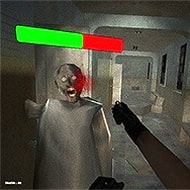
Granny 3 Return To The School

Granny 4: The Rebellion

Granny Escape Together

Granny Remake
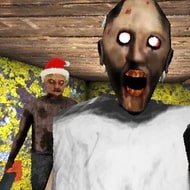
Granny Revamp

Granny Unblocked

Granny’s House



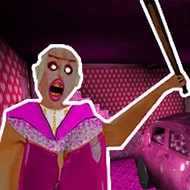

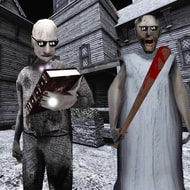
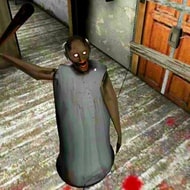













Unlikely uses a scenario-based structure where players solve challenges built around combinations of characters, props, and environmental triggers. Each level presents unusual pairings that require creative reasoning. Instead of linear solutions, the experience focuses on understanding how interactions influence outcomes. Success often involves experimenting with object placement, character movement, and reaction timing to discover the sequence that completes the objective.
Every level in Unlikely contains items that react when combined in specific ways. Observing how a character interacts with an object supplies clues that guide decision-making. Some stages require chain reactions triggered by well-timed placements. Understanding how elements respond helps players build solutions rooted in cause-and-effect relationships.
Unlikely incorporates diverse settings that alter how items behave. Some areas use moving platforms, while others change object properties. Players must adjust strategies each time a new environmental rule appears. Levels encourage thoughtful experimentation and repeated attempts to uncover hidden relationships among elements.
Difficulty increases gradually as Unlikely introduces more objects, faster reactions, and less predictable outcomes. Many solutions appear counterintuitive at first. Players improve by combining prior experience with new observation, developing flexible strategies that adapt to unusual conditions. Over time, this approach strengthens understanding of the logic that drives each scenario.
Unlikely offers scenario-based problem solving shaped by experimentation, sequence discovery, and creative reasoning. By observing interactions, adjusting placement, and testing new combinations, players gradually reveal solutions that complete each level’s objective.