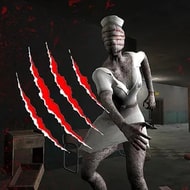
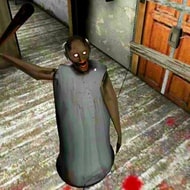
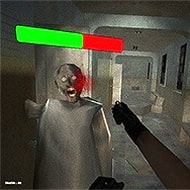
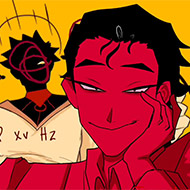
Eggnog is the only track in Eye Catching FNF that plays at the same tempo as the version most players already know by heart — every other song has been sped up, sometimes drastically, which is the first thing longtime players notice and the last thing newcomers expect. That exception says more about the pack than any description could: it isn’t a reskin, it’s a tempo overhaul wearing familiar songs as a disguise.
| Genre |
Rhythm, music battle |
| Platform |
Browser |
| Player Mode |
Single player |
| Difficulty |
Escalating tempo across most tracks |
What Eye Catching FNF Actually Changes
The pack takes eighteen songs from the original run of six weeks and rebuilds them with new charts and, in several cases, new backgrounds. The core loop hasn’t moved from the base game: notes still scroll toward the judgment line, you still hit arrows on the beat, and missing too many in a row still tanks your health bar. What changes is the pacing underneath all of it.
Icons and character sprites get palette swaps across the board, so Boyfriend and whichever rival you’re facing look familiar in silhouette but wrong in color the moment the stage loads. It’s the first thing a returning player clocks, before the first note even drops.
One song from the original lineup, Monster, was left out of the remix pass entirely, and its absence gets brought up constantly in discussions about the pack — one of the more debated omissions among players who’ve cleared every week.
Boyfriend, Girlfriend, and the Cast Under New Colors
Every rival from the base six weeks shows up here — Daddy Dearest opening things, Skid and Pump doubling up on Week 2, Pico bringing a sharper edge to Week 3, Mommy Mearest taking over Week 4, Senpai and Spirit closing Week 5, and Tankman rounding out Week 6. Boyfriend and Girlfriend anchor every stage the same way they always have, just rendered in the swapped color scheme.
Recognizing a rival’s silhouette instantly, even under an unfamiliar palette, is the kind of pattern-reading players build up over repeated runs, part of why the faster charts land differently than they would for a first-time listener.
Songs covered in the remix pass include:
- Bopeebo, Fresh, and Dadbattle from Daddy Dearest’s opening week
- Spookeez and South from Skid and Pump’s week
- Pico, Philly, and Blammed from Pico’s week
- Satin Panties, High, and Milf from Mommy Mearest’s week
- Cocoa, Eggnog, and Winter Horrorland from Senpai’s week
- Senpai, Roses, and Thorns closing out Tankman’s week
Tempo Is the Real Difficulty Spike in Eye Catching FNF
Most reworked tracks run noticeably faster than their originals, and that’s where the real difficulty lives — less in trickier arrow patterns, more in having less time to react to patterns you already half-know by muscle memory. Players expecting a cosmetic remix usually get caught off guard within the first chart.
Beginners tend to make the same mistake: playing a remix like the base song, relying on memorized timing instead of watching the highway. That works fine until the BPM jump exposes the gap between remembering a song and reading it.
By the time a player reaches the faster arrangements of Philly or Blammed, the difference between reflexes and memorization becomes obvious, and it’s usually where casual players adapt or drop back to the base charts.
Eggnog and Thorns: the Songs That Don’t Speed Up
Eggnog and Thorns stand out because they don’t follow the pack’s own rule. Every other remix pushes tempo up; these two keep the original BPM, with added challenge coming from restructured note patterns instead of raw speed.
That distinction shows up in community discussions, where tempo-only tracks sometimes get dismissed as lazier reworks compared to songs like Thorns, which earned their difficulty through chart design instead.
Roses, sitting right between the two holdouts in Tankman’s set, does speed up, so players often play all three back to back just to feel exactly where the extra difficulty comes from.
How many songs does Eye Catching FNF remix?
The pack reworks eighteen songs from the first six weeks, covering every rival from Daddy Dearest through Tankman, with the sole exception of Monster.
Is Eye Catching FNF harder than the original weeks?
Mostly, yes — most tracks are sped up well beyond their original tempo, raising the reaction demand even though the arrow patterns often stay familiar from the base weeks.
Which songs keep the same tempo as the originals?
Eggnog and Thorns are the two exceptions. Both keep their original BPM and instead build their added difficulty through new chart patterns rather than raw speed.
Eye Catching FNF isn’t trying to replace the songs it remixes; it’s testing whether memorized timing on tracks like Dadbattle or Milf still holds up once the tempo underneath them stops cooperating.