

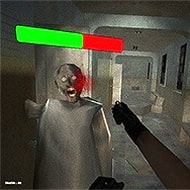
Granny 3 Return To The School

Granny 4: The Rebellion

Granny Escape Together

Granny Remake
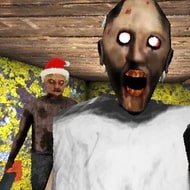
Granny Revamp

Granny Unblocked

Granny’s House


















In Google Snake you start with a short pixel-thin body on a plain colored grid, one apple waiting in the frame, and a rule that never changes: run into yourself and it’s over. There’s no health bar and no second attempt mid-run, just the grid, the apple, and a body that keeps growing every time you eat.
| Genre | Arcade / Grid Puzzle |
| Platform | Browser |
| Core Modes | Classic, Wall, Portal, Cheese |
| Category | Best Games, Recommended Games |
The core loop looks simple: steer with the arrow keys, eat the apple, grow one segment longer, repeat. That growing tail is both your score and your biggest threat, since the body you’re dragging becomes an obstacle the moment you turn back toward it. Early on, the board feels wide open and mistakes are easy to shrug off.
What changes everything is how fast the grid fills up. By the time your tail stretches across a third of the board, safe space shrinks fast, and the apple can spawn somewhere only reachable by cutting close to your own body. Beginners underestimate this shift, and that’s usually the exact moment a self-collision ends things.
The maximum possible score on the standard board is 252, achieved only by filling the grid without a single collision. Regulars treat even a partial fill as a genuinely good run, since the margin for error tightens with almost every apple eaten.
Classic mode is the baseline: an open grid, apples spawning one at a time, endless play until you crash into yourself. It’s where turning economy and apple pathing get built. A few added modes change the risk calculation:
Portal Mode trips up players used to Classic, since the instinct to avoid the edge stops applying. Wall Mode rewards players who plan a full lap ahead rather than reacting turn by turn.
Cheese Mode is the one mode where order becomes the puzzle instead of apple placement, since grabbing food out of sequence wastes the run entirely.
The single hardest skill isn’t reacting to the apple, it’s tracking your own tail. Once the snake passes roughly a dozen segments, the tail curls into shapes easy to lose track of at speed, and a turn that looked safe a moment ago can clip a segment you’d forgotten was there. Experienced players call this playing the board, not the head.
Coiling deliberately, spiraling the tail into a tight shape instead of letting it sprawl, is one technique that separates high scorers from players who plateau early. A tightly coiled snake leaves more of the board open for the next apple.
The apple’s spawn location updates instantly once eaten, and glancing at the wrong part of the screen for a fraction of a second is often enough to cause a fatal turn. That small margin keeps the retro CRT-style look feeling tense once a run gets serious.
Beyond straight survival, players can pick from different snake skins and colors, plus environment themes like Desert and Underwater that change the grid’s backdrop without altering the core rules. It’s part of why the game still gets revisited by players who first found it as a Google Doodle years ago.
The honest criticism raised most often is that Classic mode alone feels repetitive after enough runs, which is exactly why the mode variety exists. Someone chasing a clean 252 spends most of their time in Classic, while someone bored of the open grid drifts toward Portal or Wall instead.
None of the skins change how the snake handles, which players generally accept rather than criticize, since it keeps score comparisons fair across everyone’s chosen look.
Google Snake keeps its appeal through that same tension every single run. The grid looks manageable at the start, but a coiling, self-threatening tail makes every apple near the end feel like it actually matters.